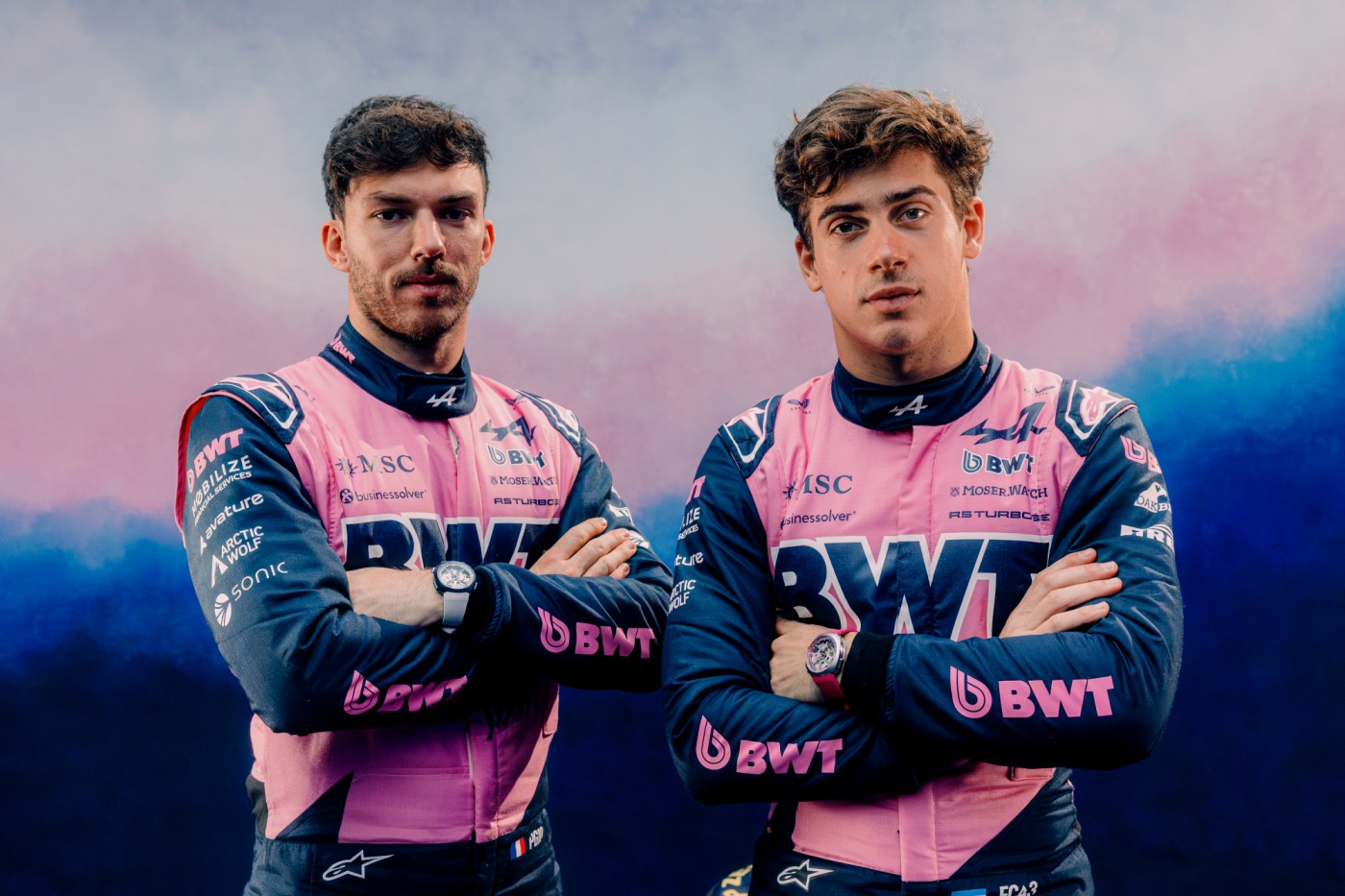
Why Pierre Gasly Expects Chaotic Australian GP Starts: A Deep Dive into F1's New Era
The roar of Formula 1 engines returning to Albert Park for the Australian Grand Prix is always a highlight, marking the true start of a thrilling season. But this year, one seasoned driver, Pierre Gasly, has issued a compelling warning that could redefine our expectations for the opening moments of the race. The Alpine driver isn't just anticipating a competitive start; he's predicting a spectacle so potentially chaotic, it might be "one that everybody remembers." His candid advice? "Turn your TV on for the start in Australia." This isn't mere hype; it’s a shrewd observation rooted in significant changes to Formula 1's technical regulations, changes that are poised to make the crucial first few seconds of the
Australian GP start exceptionally challenging for drivers and teams alike.
Gasly's insights into the potential for mayhem at the Australian GP underline a crucial aspect of modern F1: the constant evolution of its technical rulebook and the unforeseen consequences these changes can bring. With new engine and chassis regulations coming into play, the intricate ballet of a perfect start has become significantly more complex. For fans of
new F1 regulations and those keen to understand the nuances of the sport, Gasly's comments offer a fascinating glimpse into the challenges drivers face even before the first corner. His belief is that while teams will eventually master these new complexities, the initial races, particularly the adrenaline-fueled Australian Grand Prix, could serve up some truly unpredictable moments right off the line.
The Technical Hurdles: Engine and Chassis Regulations Making Starts Tricky
Pierre Gasly’s apprehension stems from two primary areas of regulatory change that directly impact the delicate art of an F1 race start: modifications to the engine's energy recovery system and new considerations regarding chassis aerodynamics. These aren't minor tweaks; they represent fundamental shifts that demand significant adaptation from both engineering teams and the drivers themselves.
The Engine Revolution: A Tricky Turbo-Lag Dance
One of the most significant changes affecting engine performance at the start is the removal of the MGU-H (Motor Generator Unit – Heat). Historically, the MGU-H played a vital role in spooling up the turbocharger, keeping it in its optimal operational window even when the driver was off-throttle. This meant a more responsive and powerful launch. With its removal, the responsibility for maintaining turbo speed and mitigating turbo lag has fallen almost entirely to the internal combustion engine (ICE).
What does this mean for the drivers? Essentially, it translates to a more delicate and challenging process to get away cleanly. Drivers now need to reach higher revs and hold them for a longer period before the actual launch, carefully balancing the clutch and throttle to ensure the turbo is spooled up enough to deliver power efficiently. The risk of a slow getaway or even the car falling into anti-stall is significantly heightened. Imagine trying to launch a supercar with a manual gearbox and a very sensitive turbo – that's the kind of precision and timing F1 drivers are now grappling with, but on a scale where milliseconds make all the difference. A momentary misjudgment can see a driver plummet through the field or even stall entirely, leading to potential chaos in the densely packed opening meters of the race.
Chassis Challenges: The Active Aerodynamics Dilemma
Adding another layer of complexity to the start sequence are concerns on the chassis side, particularly regarding the potential use of active aerodynamics before Turn 1. While the reference context highlights Oscar Piastri's concern, it's a sentiment echoed by many drivers and engineers. The concept involves dynamically adjusting aerodynamic elements on the car to reduce drag on the straights, maximizing top speed. However, using these systems in the frantic opening moments of a race, especially in a tight pack of cars heading into a corner like Albert Park's Turn 1, presents a terrifying prospect.
Piastri perfectly articulated the fear:
"A pack of 22 cars with a couple hundred points less downforce sounds like a recipe for disaster to me." Reduced downforce means less grip, making the cars harder to control, particularly under braking and during initial turn-in. In a situation where every driver is fighting for position, aggressive moves combined with less stability could easily lead to collisions. The delicate balance between maximizing speed and maintaining control becomes incredibly fine, and the margin for error shrinks dramatically. This scenario creates an environment ripe for unintended contact, spinning cars, and a truly "memorable" start for all the wrong reasons.
The Driver's Perspective: Skill, Strategy, and Survival in the Chaos
For drivers like Pierre Gasly, who will be right in the thick of it, these technical changes elevate the challenge of the start to an entirely new level. It's no longer just about reaction time; it's about acute feel, precise calibration, and an instinctive understanding of how their machinery will behave under immense pressure.
Mastering the Launch: Driver Skill Under Pressure
F1 starts are a symphony of precision. Drivers manage two clutch paddles, throttle input, and often a complex ERS (Energy Recovery System) deployment strategy, all while monitoring the five lights that count down to launch. With the new regulations, the window for error has narrowed considerably. Practice starts in free practice sessions and during testing become more critical than ever, allowing drivers to experiment with clutch bite points, rev ranges, and throttle mapping. However, nothing truly replicates the intensity of a race start with 19 other cars vying for the same piece of tarmac.
Gasly’s warning underscores the fact that even the most experienced drivers will be walking a tightrope. A perfect start could gain multiple positions, while a poor one could see them swamped by rivals or, worse, involved in an incident. The ability to find the perfect balance between aggression and caution, coupled with precise execution, will be paramount. It's a test not just of technical skill but also of nerves and spatial awareness in the most high-stakes environment.
Strategic Implications for Early Laps
The potential for a chaotic start also has significant strategic implications. Teams might opt for slightly more conservative engine mappings or start procedures to minimize the risk of a stall or a very slow getaway, even if it means sacrificing a fraction of potential launch speed. Conversely, aggressive teams might try to capitalize on others' caution, pushing the limits in the hope of making up ground.
Furthermore, a messy start could trigger early safety car periods or virtual safety cars, completely reshuffling race strategies. Pit stop windows, tire management, and even fuel saving plans could be thrown into disarray within seconds of the lights going out. Gasly, as a driver often lauded for his strategic acumen and race craft, understands these domino effects intimately, recognizing that the first few corners of the Australian GP could dictate the entire flow of the race.
What This Means for Fans: Your Guide to a Potentially Thrilling Start
For us, the viewers, Pierre Gasly's advice is clear and compelling: "Turn your TV on... it might be memorable." And he's absolutely right. While potential chaos might sound daunting for the drivers, for the fans, it promises an electrifying opening to the Grand Prix. Here's what to look out for to fully appreciate the unfolding drama:
* **The Lights Out:** Pay close attention as the five lights extinguish. Are there any cars that seem to hang back significantly? Look for excessive wheelspin or cars struggling to get off the line.
* **The Initial Scramble:** Observe the immediate acceleration and merging of cars. Are drivers taking wider lines to avoid slower cars, or are they aggressively diving into gaps?
* **Turn 1 Tensions:** Albert Park's Turn 1 is often a flashpoint. With reduced downforce and potentially uneven starts, this corner could be particularly fraught. Look for lock-ups, contact, or cars running wide.
* **Smoke and Mirrors:** A struggling launch due to anti-stall or excessive wheelspin can sometimes produce plumes of smoke. Keep an eye out for any visual signs of trouble.
* **Radio Chatter:** If you have access to team radio, listen for immediate driver feedback about their launch or any incidents.
* **Quick Overtakes:** Drivers who manage a strong start will look to capitalize immediately. Watch for cars making significant gains in the first few hundred meters.
Gasly's anticipation of a chaotic start highlights the raw, unpredictable nature that F1 still holds. It’s a testament to the fact that despite all the technology and precision, the human element and the constant push for performance can still lead to truly unexpected outcomes.
Conclusion: Brace for Impact at the Australian GP
Pierre Gasly’s insightful warnings about the Australian GP start are more than just a pre-race prediction; they are a valuable heads-up for what could be one of the most unpredictable and thrilling opening sequences in recent Formula 1 history. The removal of the MGU-H and the complexities surrounding active aerodynamics have created a high-stakes environment where driver skill, precise engineering, and sheer luck will all play a crucial role. For fans, it's an invitation to witness the raw, unadulterated drama of F1, where fortunes can be made or lost in the blink of an eye. So, heed Gasly's advice: settle in, pay close attention from the moment the lights go out, and prepare for a start at the
gasly gp austrália that just might be unforgettable. The stage is set for chaos, and that, for many, is the ultimate allure of Grand Prix racing.